- Have any questions?
- Cell : 1 (773) 524 0092
- Office : 1 (773) 580 7786
- ameen@circleacompany.com

Exploring the cultural significance of casinos in modern society
Test P 100 pour l’optimisation des performances sportives
June 25, 2026Sugar rush: лучшие стратегии для максимизации выигрышей в казино
June 25, 2026Exploring the cultural significance of casinos in modern society
The Historical Context of Casinos
Casinos have long been intertwined with social and economic practices, evolving from ancient gambling games to modern entertainment hubs. Historical records reveal that gambling has existed in various forms throughout human history, dating back to ancient China and Rome. Early establishments served as places of social gathering, where people came together to engage in games of chance, fostering a sense of community and shared experience. Notably, players can explore platforms like winnita-casino-app.com, highlighting how online options have transformed the gaming landscape.

During the Renaissance, gambling gained a more formal structure, leading to the establishment of the first official casinos in Europe. These venues not only catered to the elite but also became symbols of social status. In cities like Venice and Monaco, casinos transformed into grand establishments, combining leisure with luxury. This historical evolution illustrates how casinos have transitioned from mere gaming venues to complex social institutions.
Today, casinos reflect both cultural heritage and modern sensibilities, serving as vibrant centers for entertainment. They are not only places to gamble but also venues for concerts, dining, and social gatherings, demonstrating their adaptability and continued relevance in contemporary society. This multifaceted role underscores the enduring significance of casinos within cultural frameworks around the world.
The Social Impact of Casinos
Casinos play a crucial role in shaping social interactions and community dynamics. They often serve as social spaces where individuals from diverse backgrounds converge, creating opportunities for connection and engagement. By hosting events, tournaments, and performances, casinos foster a sense of belonging and community among patrons, contributing to the social fabric of the regions they inhabit.
Moreover, the economic benefits generated by casinos can have a positive ripple effect on local communities. Jobs created within the casino industry not only provide employment opportunities but also stimulate other sectors, such as hospitality and tourism. This interconnectedness can lead to community development, with casinos often funding local initiatives, charities, and infrastructure projects.
However, the social impact of casinos is not without controversy. Critics argue that they can contribute to gambling addiction and social inequality. Addressing these concerns requires a balanced approach, promoting responsible gaming practices while ensuring that the social benefits of casinos are maximized. Ultimately, casinos must navigate the complexities of their social role in a way that supports both individual enjoyment and community well-being.
Casinos as Cultural Symbols
Casinos have evolved into powerful cultural symbols, representing a mix of opulence, risk, and entertainment. In popular culture, they often embody the allure of wealth and the thrill of chance, depicted in films, literature, and art. Iconic locations like Las Vegas have become synonymous with extravagant lifestyles, showcasing the intersection of gambling with show business, nightlife, and luxury.
These cultural representations significantly shape societal perceptions of casinos. For many, they evoke fantasies of escape and adventure, while others view them as sites of potential danger and moral decay. This duality reflects broader societal attitudes toward risk and reward, highlighting how casinos encapsulate both the joys and pitfalls of modern life.
Furthermore, casinos often incorporate local culture into their design and offerings, celebrating regional heritage. From architecture inspired by local history to themed gaming experiences, they create unique environments that resonate with local identity. This cultural integration not only enhances the visitor experience but also reinforces the significance of casinos as expressions of communal values and traditions.
The Psychological Aspects of Gambling
The psychological allure of casinos is a fascinating aspect of their cultural significance. Many individuals are drawn to the excitement and thrill of gambling, often equating it with fun and adventure. This psychological engagement can be attributed to various factors, including the potential for monetary gain, the social interactions involved, and the sensory stimulation of the casino environment.
Moreover, the concept of risk and reward plays a central role in the gambling experience. Many players find themselves captivated by the uncertainty and excitement of chance-based games, which can lead to a heightened emotional state. This thrill-seeking behavior is not merely about winning money; it often encompasses the joy of being part of a vibrant social scene and engaging in a shared experience.
However, it is essential to acknowledge the darker side of gambling. While many enjoy it as a form of entertainment, others may develop unhealthy habits that lead to addiction. This complexity emphasizes the need for ongoing discussions about responsible gambling practices, mental health awareness, and the role of casinos in promoting a balanced approach to gaming.
The Future of Casinos in Modern Society
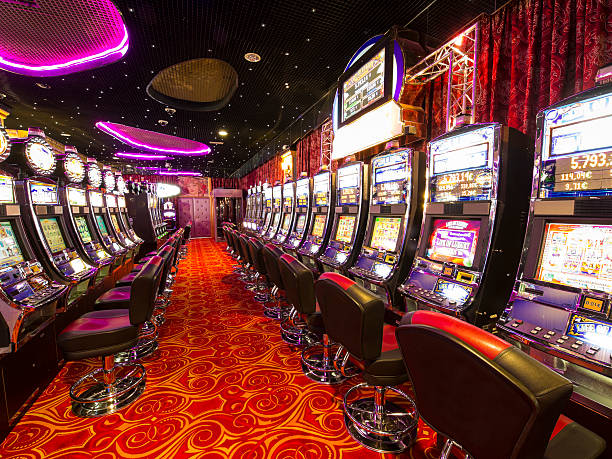
As technology advances, the future of casinos appears to be shifting. With the rise of online gaming platforms, traditional brick-and-mortar casinos are facing new challenges and opportunities. Virtual casinos allow users to gamble from the comfort of their homes, offering unprecedented access to a variety of games and experiences. This shift could redefine how society engages with gambling and entertainment.
Furthermore, integrating technology into traditional casinos is becoming increasingly prevalent. Innovations like virtual reality, augmented reality, and advanced gaming systems are enhancing the gaming experience, creating immersive environments that attract a tech-savvy audience. This evolution may redefine the social dynamics of casinos, fostering new forms of interaction and engagement.
While the landscape of gambling continues to evolve, the cultural significance of casinos remains robust. They will likely continue to serve as important venues for social interaction, economic development, and cultural expression. As society adapts to these changes, casinos must embrace innovation while maintaining their core identity as spaces for entertainment and community connection.
