- Have any questions?
- Cell : 1 (773) 524 0092
- Office : 1 (773) 580 7786
- ameen@circleacompany.com

The fascinating journey of gambling through the ages
Онлайн казино мен жердегі казино қайсысы тиімді Pin-Up casino
April 21, 2026The Founding of YouTube A Short History
April 21, 2026The fascinating journey of gambling through the ages
Ancient Beginnings of Gambling
The roots of gambling can be traced back to ancient civilizations, where it served not just as a pastime but as a form of social engagement. Archaeological findings indicate that as far back as 2,300 BC, the Chinese were using rudimentary dice for gaming purposes. This early form of gambling was often intertwined with religious ceremonies and rituals, highlighting the spiritual significance of chance and luck in ancient cultures. In modern times, platforms like Joo Casino reflect how this ancient pursuit has evolved into a vast industry.
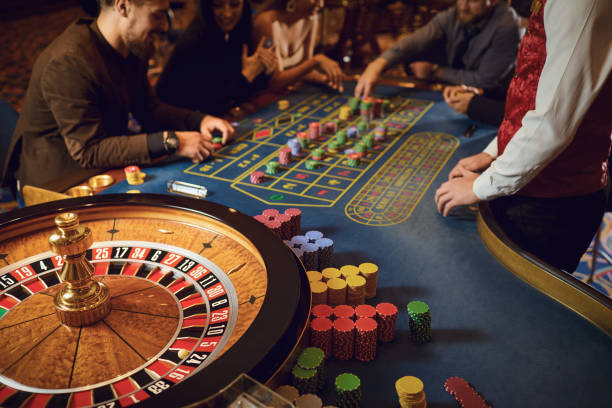
Similarly, in ancient Rome, gambling was prevalent among all social classes, including soldiers who often placed bets on their own performance in gladiatorial games. The Romans developed numerous games and betting systems, with the phrase “alea iacta est” (the die is cast) attributed to Julius Caesar, emphasizing the courage needed to gamble on uncertain outcomes. This period laid the groundwork for gambling traditions that would evolve over time.
As civilizations advanced, so did the complexity of gambling. The introduction of card games in the Middle Ages, believed to have originated in China and spread to Europe, represented a significant evolution in gambling culture. Cards offered new strategies and dynamics, leading to the foundation of modern gambling practices that would flourish in the coming centuries.
The Rise of Casinos in Europe
The formal establishment of casinos began in the 17th century in Europe, most notably with the Venetian Ridotto, created in 1638. This early casino set the stage for regulated gaming, offering a controlled environment where patrons could enjoy games of chance while also socializing. The concept of a casino as a place dedicated solely to gambling quickly gained popularity across Europe, transforming social interactions and entertainment.
The 18th century saw the emergence of casinos in France, where the concept of gambling became intertwined with high society and fashion. The famous Casino de Spa in Belgium and the Monte Carlo Casino in Monaco would further elevate the allure of gambling, drawing in royals and aristocrats. These establishments not only catered to wealthy clientele but also introduced elaborate games such as baccarat and roulette, shaping the casino experience we recognize today.
This era of glamour and prestige elevated gambling into an art form, emphasizing not just the games but the ambiance and lifestyle surrounding them. The lavish designs of casinos, adorned with opulent decorations and exquisite dining options, created a cultural phenomenon that transcended mere gambling, becoming a lifestyle choice for many.
The Impact of Technology on Gambling
The advent of technology has profoundly transformed the landscape of gambling, particularly in the last few decades. The introduction of the internet in the late 20th century revolutionized how players engage with gambling. Online casinos began to emerge, offering the excitement of gambling from the comfort of home. This shift not only expanded accessibility but also diversified the types of games available, creating a global marketplace for players.
Moreover, advancements in mobile technology have further propelled online gambling into the mainstream. With smartphones and mobile apps, players can now enjoy their favorite games anytime and anywhere. This has democratized gambling, allowing a broader audience to participate in activities previously restricted to physical locations. The integration of live dealer games has also created an immersive experience, bridging the gap between virtual and physical casinos.
Additionally, innovations such as virtual reality (VR) and blockchain technology are set to redefine the gambling experience yet again. VR technology offers an immersive gaming experience, allowing players to engage in realistic environments as if they were in a traditional casino. Meanwhile, blockchain ensures transparency and security in transactions, building trust among players. These advancements represent a significant step forward in the evolution of gambling, making it more engaging and secure.
The Legal Landscape and Regulation
The journey of gambling has been heavily influenced by legal and regulatory frameworks, which have varied widely across different cultures and epochs. Historically, many societies imposed strict restrictions on gambling activities due to moral concerns, viewing them as vices that could lead to societal decay. However, as public attitudes toward gambling began to shift, so did legislation, allowing for regulated gambling environments that aim to protect players and ensure fair play.
In the United States, the legal landscape of gambling has seen significant changes, especially following the repeal of the Professional and Amateur Sports Protection Act (PASPA) in 2018. This landmark decision allowed individual states to regulate sports betting, leading to a surge in interest and investment in the gambling sector. States like New Jersey and Pennsylvania have pioneered this movement, reaping economic benefits while also implementing consumer protections.
Internationally, jurisdictions such as Malta and the United Kingdom have established comprehensive regulatory frameworks to oversee online gambling. These regulations aim to protect players from fraud and addiction while ensuring that operators adhere to fair gaming practices. As technology continues to evolve, the ongoing dialogue around legal regulation will remain crucial in shaping the future of gambling across the globe.

Online Gambling Today
Today, online gambling is more popular than ever, largely fueled by advancements in technology and changing cultural attitudes. The global online gambling market is expected to reach staggering figures, driven by a diverse array of options including online poker, sports betting, and live dealer games. This dynamic environment caters to a wide range of player preferences, offering something for everyone.
Furthermore, online casinos like Joo Casino Canada exemplify the modern gambling experience, providing players with generous welcome bonuses, diverse game selections, and user-friendly platforms. These casinos prioritize player satisfaction by incorporating secure payment options and 24/7 customer support, ensuring a smooth gaming experience.
As the gambling landscape continues to evolve, it is clear that technology will play a pivotal role in shaping future trends. From mobile gaming to virtual reality experiences, the journey of gambling is far from over, promising exciting developments that will redefine how we engage with games of chance for generations to come.
